






Difficulty
Easy
Easy to do with clear steps.


€9,99 €13,85
Translation missing: en.products.item.price.price_per_unit_html









Euphorbia obesa – the baseball you actually want on your windowsill
Round, ribbed, and almost otherworldly beautiful: Euphorbia obesa is a living designer ball from South Africa. Its grey-green body and subtle line patterns make every specimen slightly different. Perfect for anyone with limited space who still wants a plant that demands everyone’s attention.
Although it looks suspiciously like a cactus, this quirky green amigo is officially a succulent from the spurge family. It grows slowly, stays compact, and stores water in its sturdy, spherical stem. No abundant leaves, no wild growth spurt, and no daily attention required. It simply gets on with its otherworldly thing.
Why choose an Euphorbia obesa?
Special: Its spherical growth and geometric ribs give it an almost futuristic appearance.
Unique: Color, pattern, and shape vary from plant to plant, so you will always receive an individual specimen.
Compact: A striking succulent that also fits on a small windowsill, shelf, or desk.
Collector’s item: A slow-growing eye-catcher for lovers of rare and unusual plants.
Care tip: Place your Euphorbia obesa in a bright to sunny spot and let it gradually get used to strong direct sunlight. Use well-draining cactus or succulent soil and only water when the substrate has completely dried out. In winter, it wants even less to drink. Seriously: put that watering can back down.
Give it a dry, bright spot and this special sphere will continue growing calmly for years. Probably without ever asking for Wi-Fi, attention, or a larger wardrobe. Ideal company, then.
Growth: Slow-growing, generally unbranched succulent. Young plants are almost spherical and gradually become somewhat taller as they mature.
Water requirements: Only water when the substrate has completely dried out. Give very little water in winter and prevent the roots from remaining wet for extended periods.
Humidity: Does not require high humidity and prefers a dry, well-ventilated position.
Soil: Use a very airy, mineral-rich, and well-draining cactus or succulent substrate.
Fertilization: Fertilize sparingly during the growing season with suitable cactus or succulent fertilizer.
Euphorbia obesa – the baseball you actually want on your windowsill
Round, ribbed, and almost otherworldly beautiful: Euphorbia obesa is a living designer ball from South Africa. Its grey-green body and subtle line patterns make every specimen slightly different. Perfect for anyone with limited space who still wants a plant that demands everyone’s attention.
Although it looks suspiciously like a cactus, this quirky green amigo is officially a succulent from the spurge family. It grows slowly, stays compact, and stores water in its sturdy, spherical stem. No abundant leaves, no wild growth spurt, and no daily attention required. It simply gets on with its otherworldly thing.
Why choose an Euphorbia obesa?
Special: Its spherical growth and geometric ribs give it an almost futuristic appearance.
Unique: Color, pattern, and shape vary from plant to plant, so you will always receive an individual specimen.
Compact: A striking succulent that also fits on a small windowsill, shelf, or desk.
Collector’s item: A slow-growing eye-catcher for lovers of rare and unusual plants.
Care tip: Place your Euphorbia obesa in a bright to sunny spot and let it gradually get used to strong direct sunlight. Use well-draining cactus or succulent soil and only water when the substrate has completely dried out. In winter, it wants even less to drink. Seriously: put that watering can back down.
Give it a dry, bright spot and this special sphere will continue growing calmly for years. Probably without ever asking for Wi-Fi, attention, or a larger wardrobe. Ideal company, then.
Growth: Slow-growing, generally unbranched succulent. Young plants are almost spherical and gradually become somewhat taller as they mature.
Water requirements: Only water when the substrate has completely dried out. Give very little water in winter and prevent the roots from remaining wet for extended periods.
Humidity: Does not require high humidity and prefers a dry, well-ventilated position.
Soil: Use a very airy, mineral-rich, and well-draining cactus or succulent substrate.
Fertilization: Fertilize sparingly during the growing season with suitable cactus or succulent fertilizer.
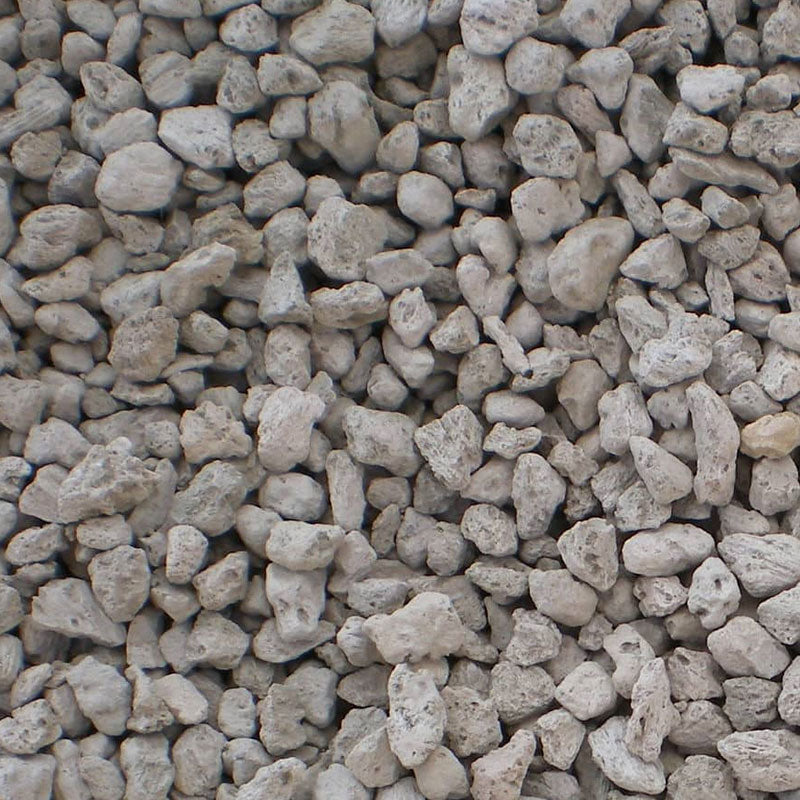
Substrates for better germination, rooting, and growth. Recommended for this type of seed: pumice, perlite, and coconut fiber
The key features, without any botanical detective work.
Difficulty
Easy
Easy to do with clear steps.
Rarity
Special
Different from the regular range.