





Difficulty
Easy
Easy to do with clear steps.


€79,99 €89,95
Translation missing: en.products.item.price.price_per_unit_html









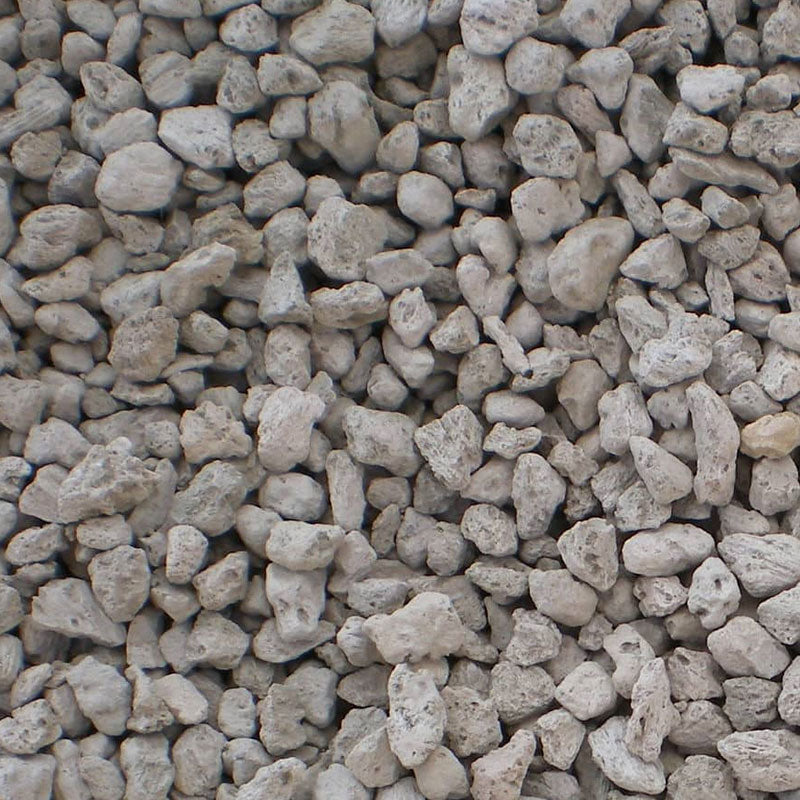
Substraten voor betere doorworteling en groei. Aanbevolen mengsel van puimsteen, perliet en kokos vezel
The key features, without any botanical detective work.
Difficulty
Easy
Easy to do with clear steps.
Rarity
Exceptional
A rare opportunity for true plant lovers.
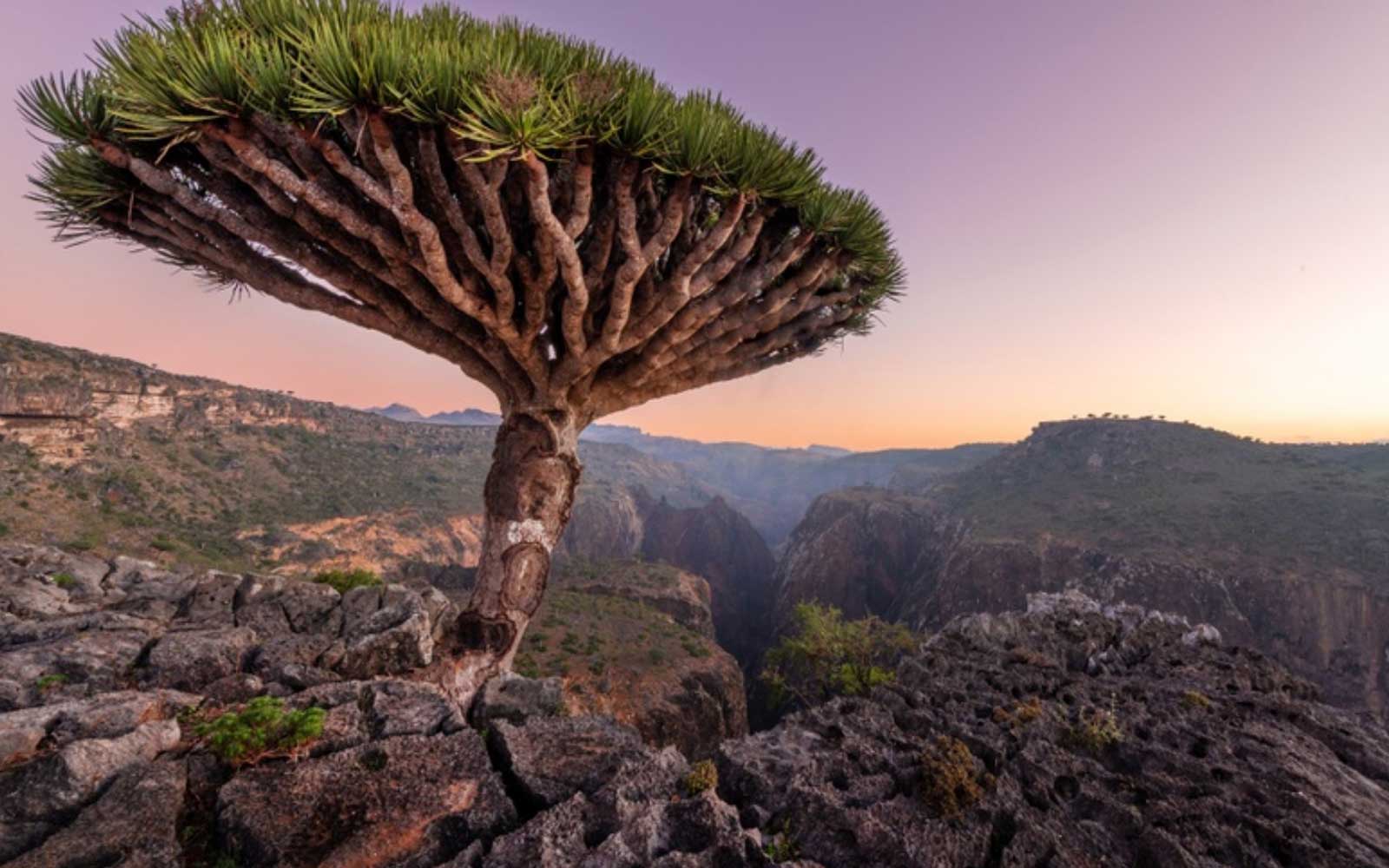
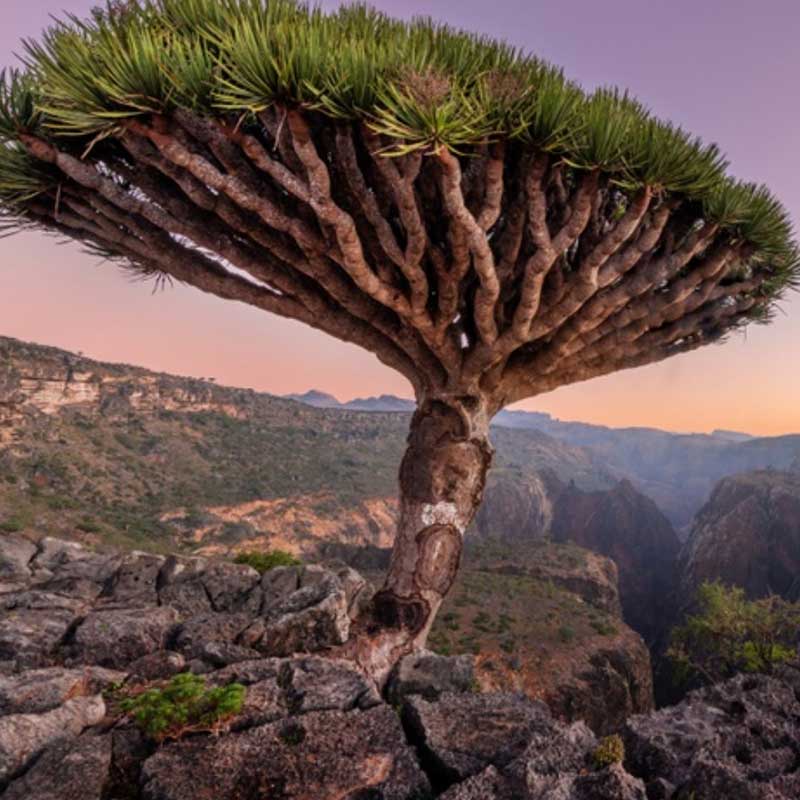
The Dragon's Blood Tree, officially known as Dracaena cinnabari, is a rare natural wonder. Cut into its bark and you get deep red "dragon's blood" sap, super cool and once hugely popular in paint and medicine. But the real secret? You can only find these trees on the mysterious island of Socotra, and they grow incredibly slowly. Unique and vulnerable, truly a special piece of nature!
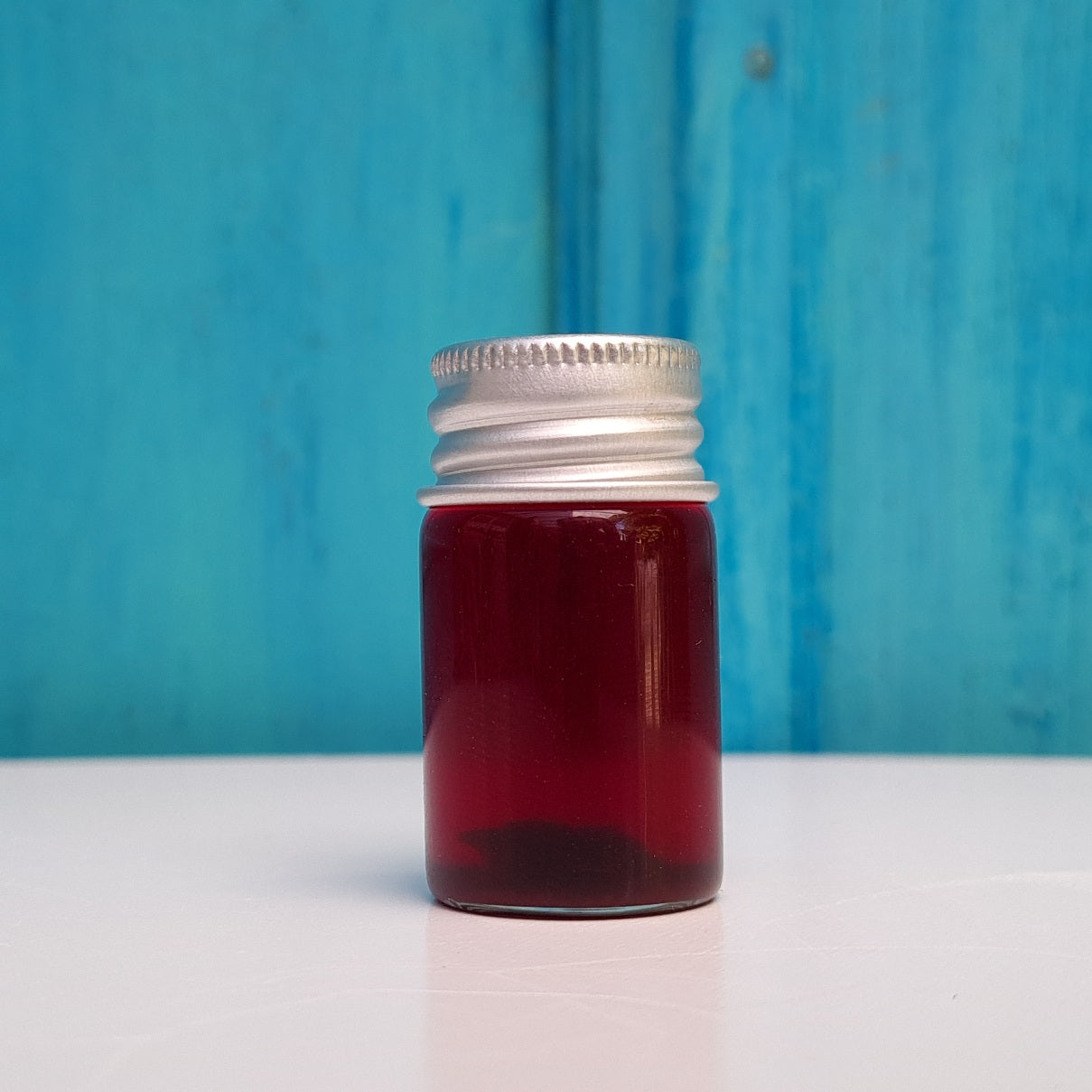
Okay, check this out: the Dragon's Blood Tree, with its deep red resin, looks like it came straight out of a fantasy story. This 'dragon's blood', a superhero of a resin, was once used as a dye for violin amber, and believe it or not, as a medicine for various ailments. The coolest part? This stuff hardens upon contact with air and was even used by Roman gladiators as a kind of natural bandage. And just imagine, it was also considered a magical substance in ancient cultures. Pure nature magic, right?
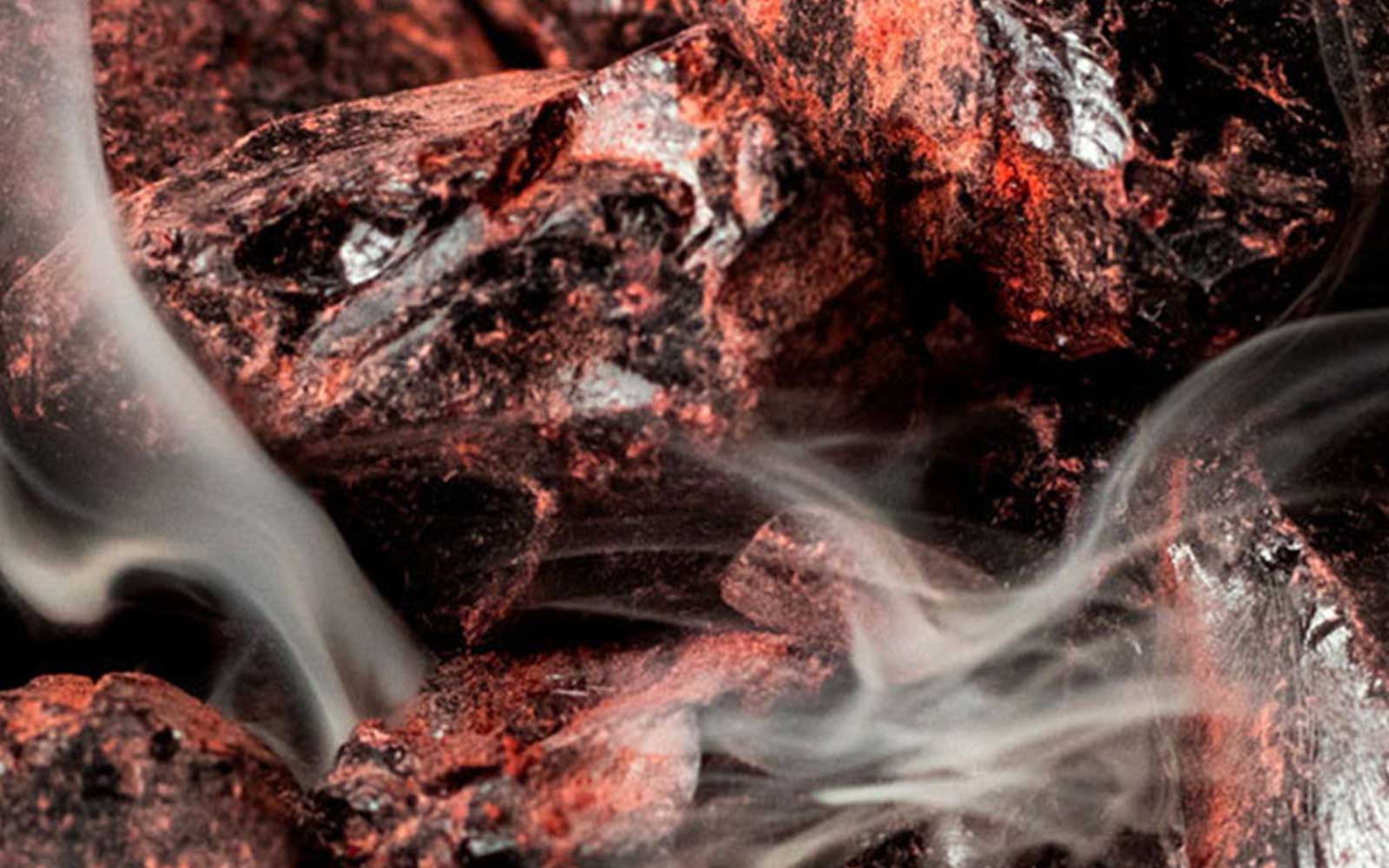
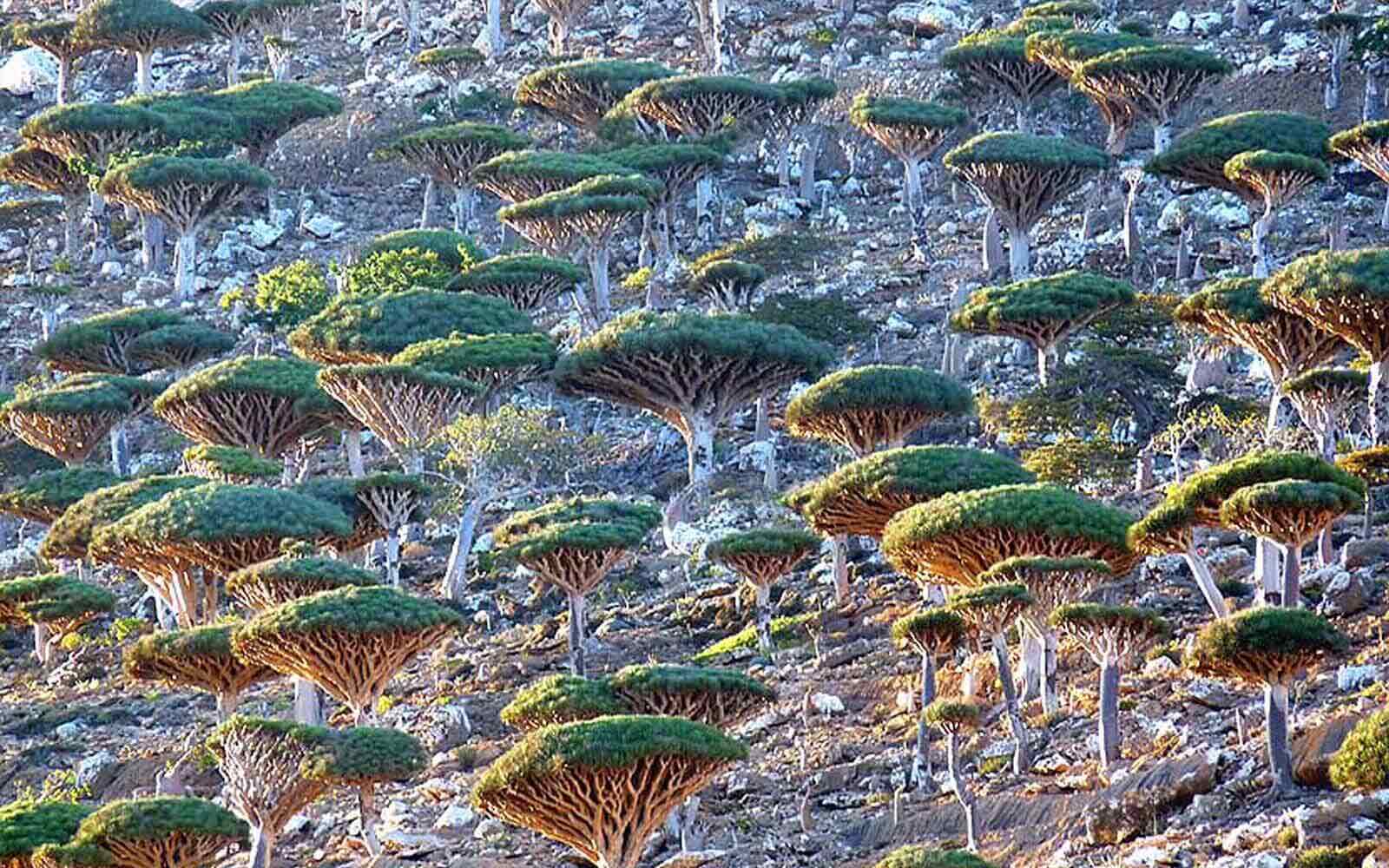
Dragon's blood resin had even more tricks up its sleeve! It was a hit in the textile industry, where it was used to give fabrics a beautiful, durable red color. It also played a role in the music world; violin makers swore by this stuff to give their instruments that glossy finish. And let's not forget the scent! This resin was popular in incense, spreading a unique, earthy aroma that brought tranquility. Truly, dragon's blood resin was not only beautiful to look at, but it also had a fragrance and functionality that made it a treasure from antiquity.
Welcome to the fascinating world of Dracaena cinnabari, better known as the Dragon's Blood Tree, one of the most iconic and mysterious natural wonders. This unique tree, with its unusual appearance and rich history, has captivated scientists, nature lovers, and adventurers for centuries. We dive into the hidden secrets of this majestic tree and discover why it is so special.
Dracaena cinnabari, an endemic tree species from Socotra Island in Yemen, is known for its distinctive umbrella-shaped crown and the red resin it produces. This resin, often described as 'dragon's blood', has historical significance in various cultures and is used in everything from paint to traditional medicine.
The Dragon's Blood Tree thrives in the subtropical climate of Socotra, a remote island known for its extraordinary biodiversity. The tree is perfectly adapted to the dry, rocky terrain and limited water resources of the island, highlighting its resilience and unique ecological value.
Throughout the centuries, the 'dragon's blood' of Dracaena cinnabari has had various applications. It was used in rituals, as a dye, and even as a medicine. This versatility adds to the mystique and cultural significance of the tree.
Unfortunately, Dracaena cinnabari faces challenges such as habitat loss and climate change. The conservation of this species is crucial, not only for the biodiversity of Socotra but also for the cultural heritage that this tree represents.
Dracaena cinnabari is more than just a tree; it is a symbol of resilience, beauty, and historical significance. By protecting the Dragon's Blood Tree, we preserve a part of our natural and cultural heritage for future generations.
Discover more about this natural wonder and how you can contribute to its protection on our website. Don't forget to check out our other articles on rare and unique plant species for more fascinating insights into the world of nature.


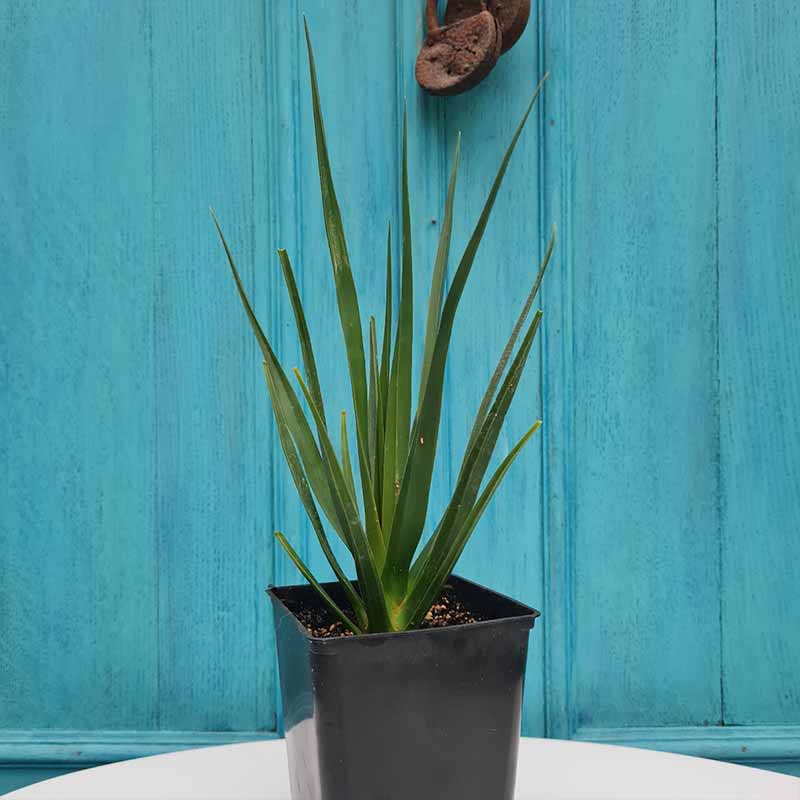
 approx. 20 cm tall&media=https://drakenbloedboom.com/cdn/shop/files/Dracaena-Cinnabari-boom-op-Sokotra---Zeldzame-Drakenbloedboom_600x.jpg?v=1703411961)