General information:
Name: Pistacea Vera - Peter
Also known as: Pistachio tree
Family: Anacardiaceae (Sumac family)
Origin: Native to Central Asia and the Middle East
Plant characteristics:
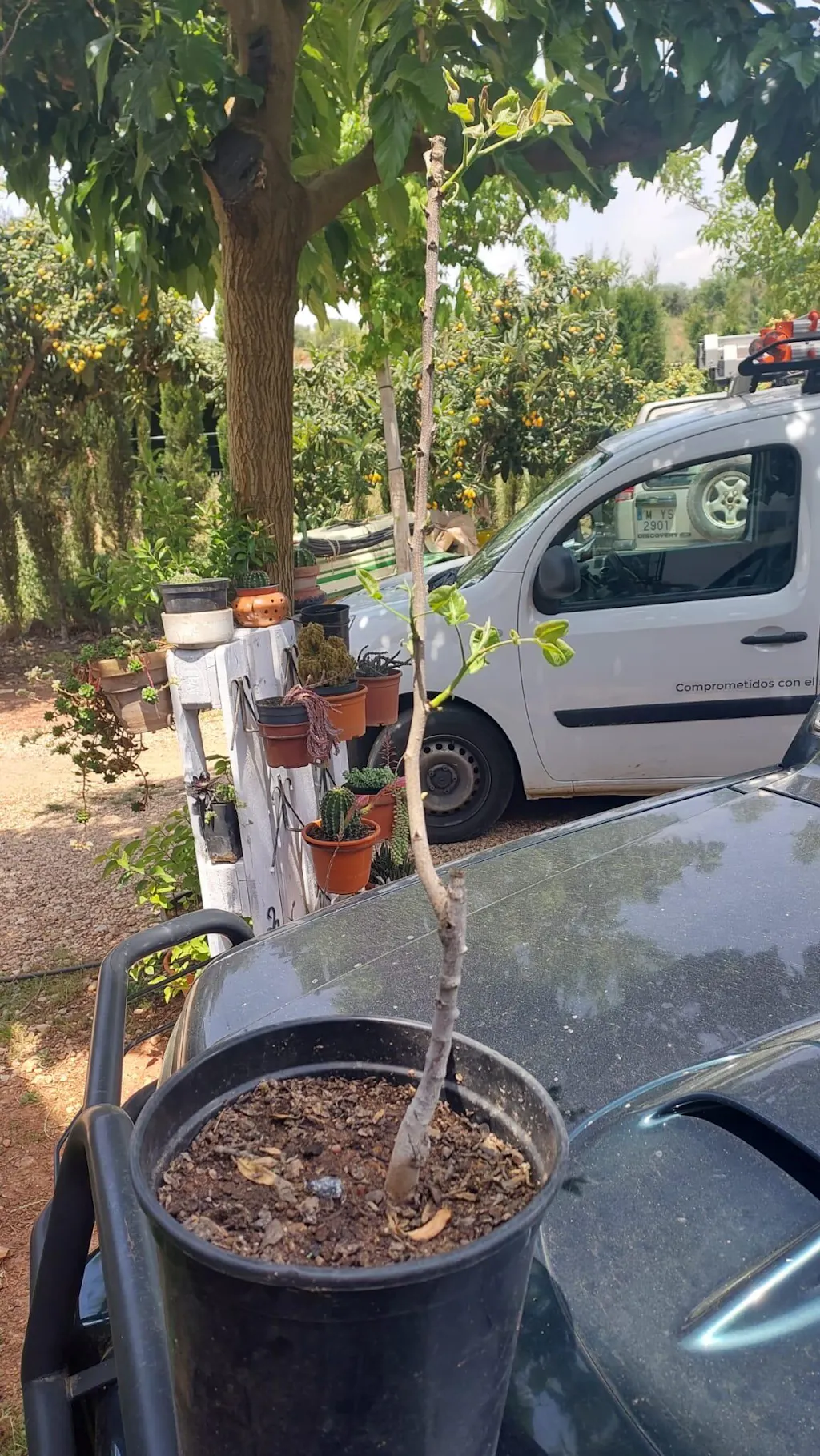
Leaves: Dark green, pinnate, with a glossy finish, giving the tree a robust and refined appearance.
Flowers: Male flowers are inconspicuous yellow but essential for the pollination of female pistachio trees.
Distinctive features:
Harvestable fruits: This male variant does not produce nuts itself but is crucial for the pollination of female trees for the production of pistachios.
Pollinating power: Plays a key role in the fertilization process, essential for the development of pistachios on female trees.
Aesthetic value: Adds a decorative touch to any garden with its lush leaves and growth power.
Cultivation and care:
Location: Prefers a sunny spot with well-draining, fertile soil.
Water needs: Has a moderate water requirement, with special attention during dry periods and the growth phase.
Propagation: Usually propagated by grafting to ensure the best characteristics and consistency in pollination.
Pollination: Requires female pistachio trees nearby for nut production.
Temperatures:
The Pistacea Vera - Peter is resistant to both hot summers and cold winters, making it a versatile choice for various climates. It thrives optimally in temperatures between 7°C and 37°C but can withstand cold temperatures down to -10°C.
Importance of the Pistachio tree:
Ecological importance: Contributes to biodiversity by attracting pollinators such as bees.
Ornamental value: Enriches the garden landscape with its stately appearance and dense canopy.
Pollination: Essential for the production of pistachios on female trees, making it a vital addition to orchards or gardens with female pistachio trees.
Note: Although the Pistacea Vera - Peter does not produce nuts itself, its role in the pollination of female trees is invaluable. This tree is not only a beautiful addition to the garden but also contributes to the reproduction and production of pistachios, making it a sustainable choice for both aesthetic and practical garden designs.














&media=https://drakenbloedboom.com/cdn/shop/files/pistache-vera_male_800_x_800_600x.jpg?v=1716051049)